







-

By:admin
-
Blog
-

( 0 )


Why Tier-2 Cities Are the Sweet Spot for Hotel Management Education
Metro cities promise big opportunities, but they also come with high education costs, intense competition, and an overwhelming environment. Many students and parents today are beginning to question whether studying in big cities is always the smartest decision.
This shift in thinking has sparked a growing interest in Tier-2 cities for professional education. These cities are rapidly emerging as strong academic hubs where students can focus on skill development without the pressure and cost of metropolitan life.
At the same time, the hospitality industry in India is expanding rapidly. From luxury hotels and tourism to cruise lines and global hospitality brands, the demand for trained professionals continues to grow. This has encouraged students to explore institutes that offer practical hospitality education and career-focused training.
Institutions like NIPS have become a preferred choice for many aspiring professionals searching for a reputed hotel management institute in Kolkata, offering industry-oriented programs and global exposure.
What Are Tier-2 Cities and Why Are They Becoming Education Hubs?
Tier-2 cities in India are developing urban centers that are smaller than metro cities but still offer strong infrastructure, education facilities, and economic growth. These cities are quickly transforming into major educational destinations.
Cities like Howrah, Durgapur, and Bhubaneswar are attracting students from different parts of the country who want quality professional education without the high cost of metro life.
Improved infrastructure, better connectivity, and the growth of professional institutes have played a major role in this transformation. Many institutes in these cities now provide modern training facilities, industry exposure, and experienced faculty.
As a result, students are increasingly choosing quality education outside crowded metropolitan areas where learning can be more focused and practical.
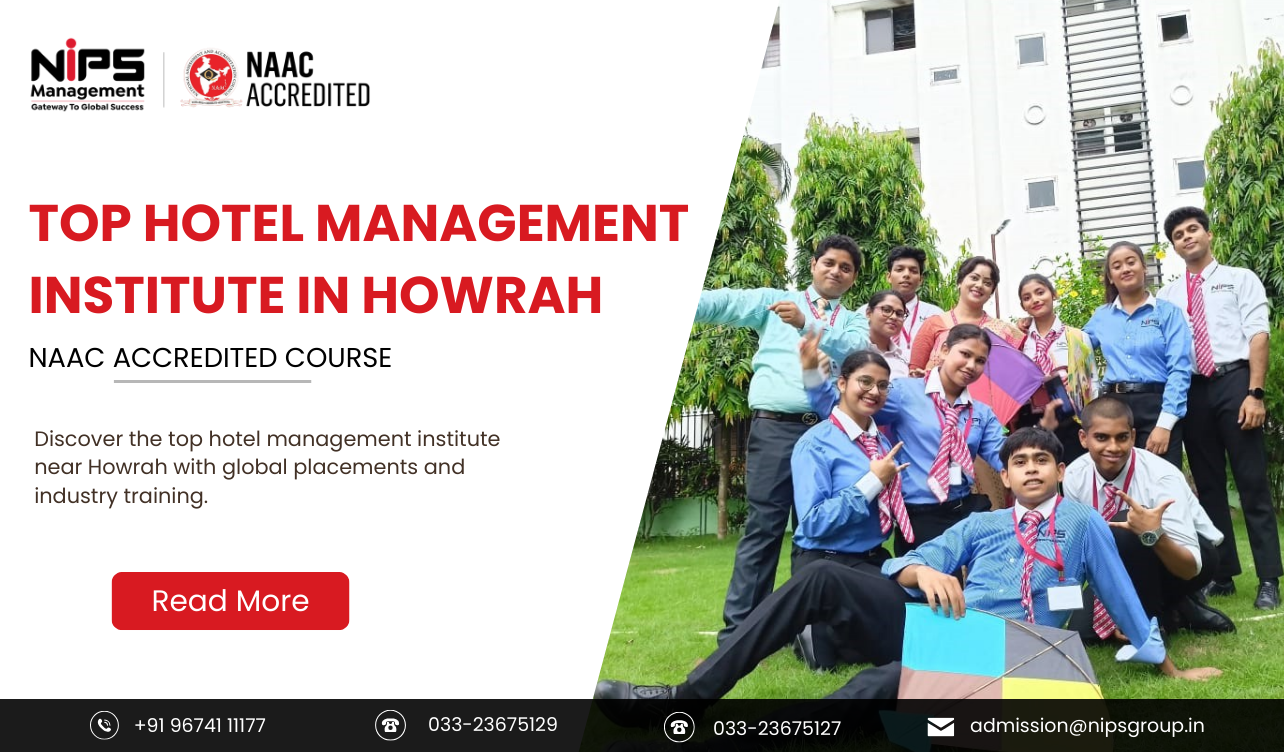
Related Article: Top Hotel Management Institute in Howrah
Why Are Students Choosing Tier-2 Cities for Hotel Management Courses?
One of the biggest reasons students choose Tier-2 cities is affordability. Education in metro cities often comes with expensive tuition fees, high rent, and lifestyle costs that create financial pressure on families.
In contrast, Tier-2 cities offer a more balanced environment where students can focus on learning and skill development.
Another major advantage is the learning atmosphere. Smaller class sizes allow better interaction with faculty members, giving students the opportunity to receive personal guidance and mentorship.
Students pursuing a hotel management course in Kolkata through reputed institutes in nearby Tier-2 regions often experience better academic focus, less competition, and stronger practical training opportunities.
How Do Tier-2 Cities Provide Affordable Hotel Management Education?
Affordability is one of the biggest factors influencing educational decisions today. In metro cities, students often spend large amounts not only on tuition but also on accommodation, transportation, and daily expenses.
Tier-2 cities reduce this financial pressure significantly. Hostel costs, transportation expenses, and daily living costs are generally much lower compared to major metropolitan areas.
Because students spend less on living expenses, they can invest more time and resources in developing their professional skills, attending internships, and gaining industry exposure.
This is one reason many students prefer programs such as a diploma in hotel management in Kolkata, where they can receive practical training while keeping their education budget manageable.
Do Tier-2 City Institutes Offer Industry-Level Training and Exposure?
One common concern among students is whether institutes outside metro cities provide the same level of professional training. In reality, many reputed institutes in Tier-2 cities now offer industry-standard facilities and hands-on learning environments.
Hospitality education is highly practical. Students must gain real-world experience in kitchen operations, hotel services, guest management, and hospitality etiquette.
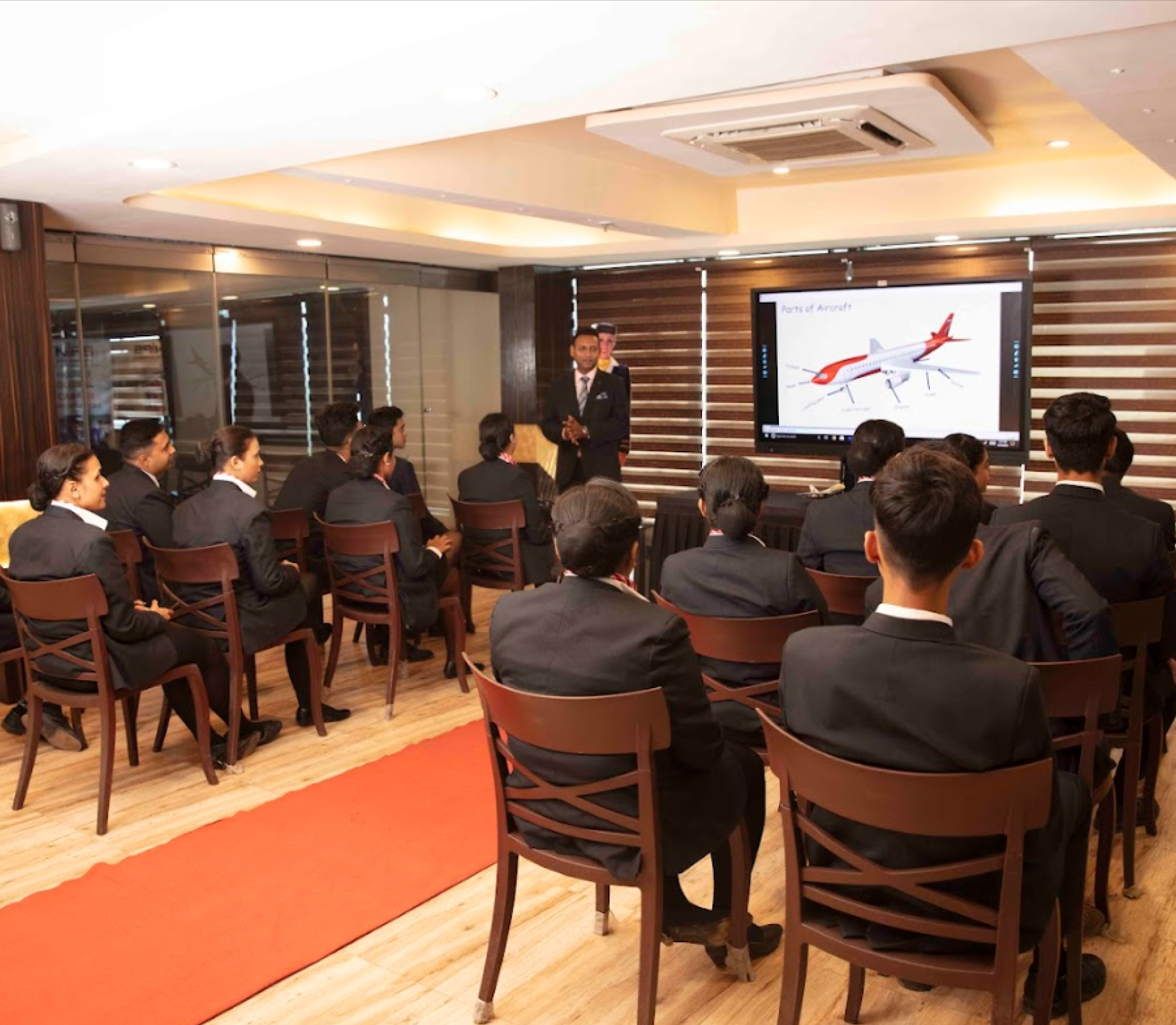
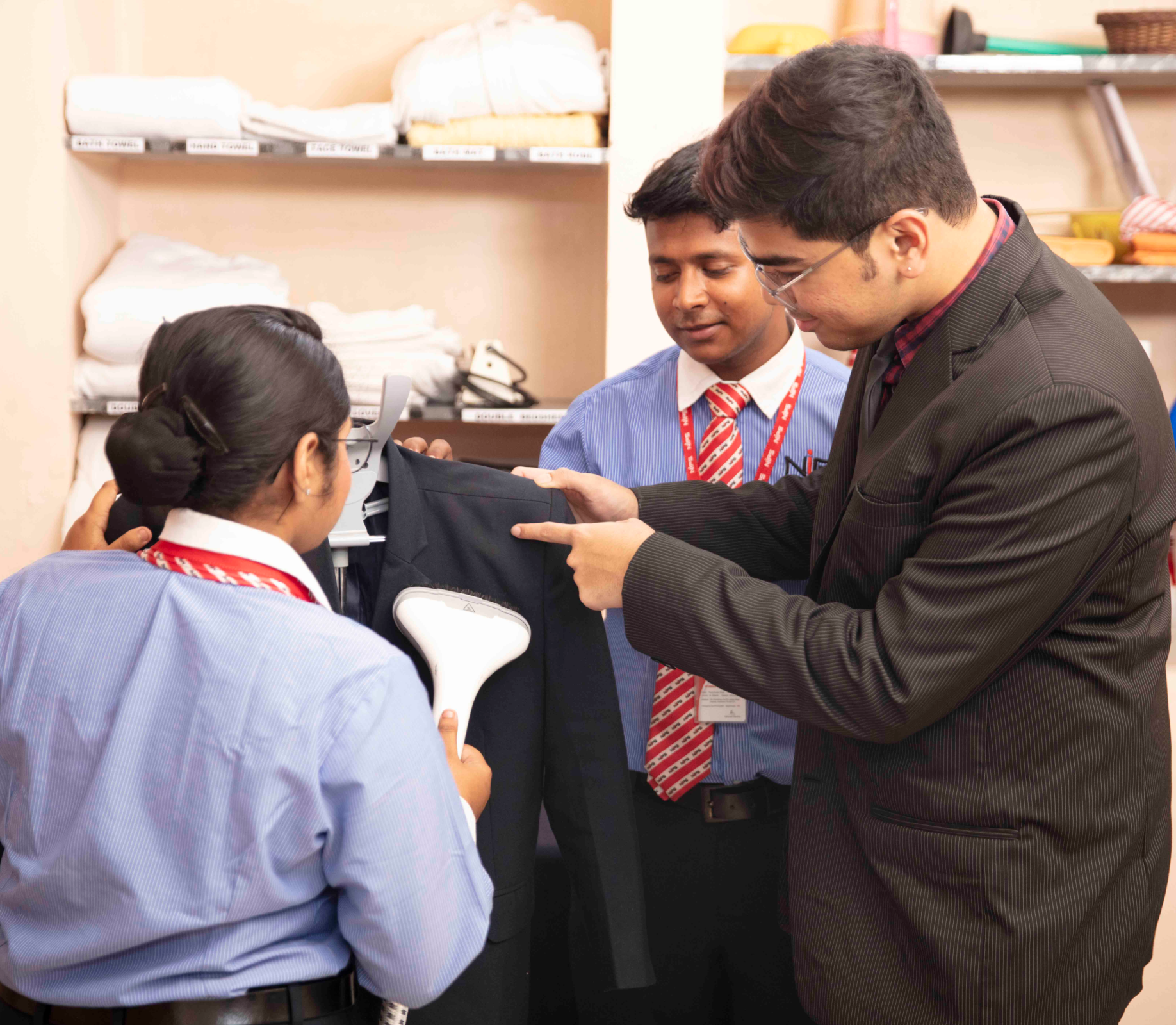
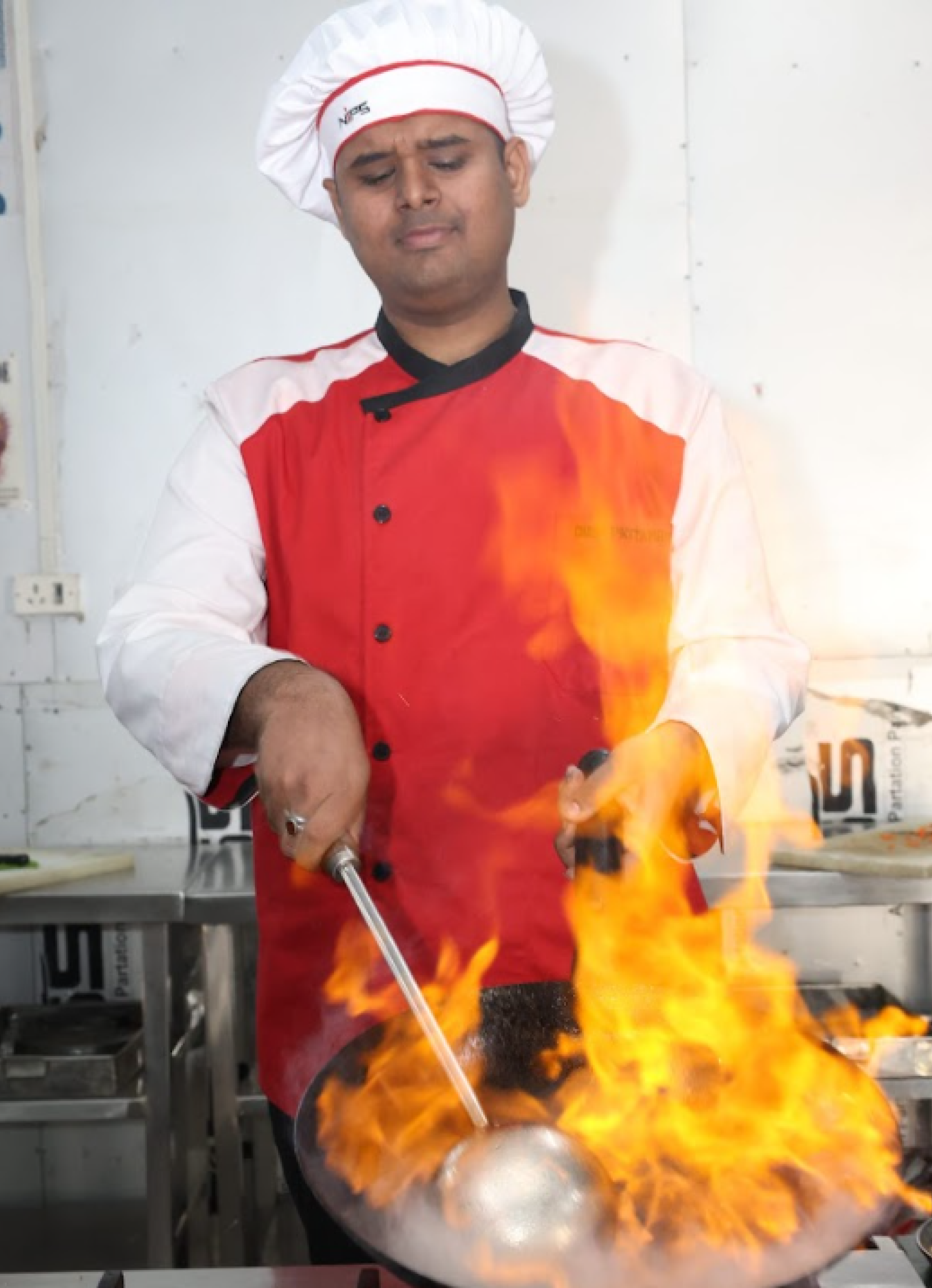
Institutes like NIPS focus heavily on practical learning by offering modern training kitchens, service labs, and internship opportunities with hospitality brands. These industry partnerships allow students to gain valuable experience before starting their professional careers.
Through structured training programs and internships, students often graduate with a hotel management course with placement, making their transition from education to employment much smoother.
What Hospitality Skills Do Students Learn in Professional Hotel Management Institutes?
Hospitality education goes far beyond theoretical knowledge. It focuses on building professional skills that prepare students for real-world hospitality environments.
Students are trained in several essential areas, including:
1. Food production and culinary techniques
2. Front office and hotel operations management
3. Guest relations and hospitality etiquette
4. Event and service management
5. Communication and personality development
These skills help students develop confidence, professionalism, and the ability to handle dynamic hospitality environments.
Can Students from Tier-2 City Institutes Get Global Career Opportunities?
The hospitality industry is one of the most global industries in the world. Skilled professionals are required in luxury hotels, cruise lines, airlines, resorts, and tourism companies across different countries.
Graduates from reputed institutes often build careers not only in India but also internationally. Hospitality professionals are valued for their service skills, communication abilities, and management expertise.
Institutes that provide strong internship programs and industry connections help students gain the experience needed to work in global hospitality environments.
Why Is Practical Learning More Effective in Tier-2 Hospitality Institutes?
Practical learning plays a crucial role in hospitality education. Students learn best when they can apply their knowledge in real service environments.
Tier-2 city institutes often provide focused training environments with modern hospitality labs, training kitchens, and simulated hotel service areas.
Students also benefit from closer faculty mentorship, where instructors can guide them personally and help them improve their technical and communication skills.
This balance between theory and practical exposure helps students become confident professionals ready to work in real hospitality settings.
How Can Students Choose the Right Hotel Management Institute?
Choosing the right institute is one of the most important steps in building a successful hospitality career.
Students should evaluate several factors before making a decision:
1. Accreditation and academic reputation
2. Faculty expertise and training facilities
3. Internship opportunities with hospitality brands
4. Placement support and career guidance
5. International exposure and industry partnerships
Selecting an institute that focuses on practical training and career development can significantly improve a student’s professional journey.
Why Is NIPS Considered a Trusted Choice for Hotel Management Education?
Over the years, NIPS has built a strong reputation in hospitality education by focusing on practical learning, skill development, and industry exposure.
The institute offers modern hospitality training facilities, experienced faculty, and industry partnerships that help students gain real-world experience.
Students looking for a reputed Hotel Management Institute often consider NIPS because of its strong focus on internships, global hospitality training, and career development programs.
By combining academic knowledge with professional training, NIPS prepares students to build successful careers in the hospitality industry both in India and internationally.
Frequently Asked Questions
1. Is studying hotel management in a Tier-2 city a good choice?
Yes. Tier-2 cities often provide affordable education, focused learning environments, and strong practical training opportunities for hospitality students.
2. Do Tier-2 hospitality institutes offer good placements?
Many reputed institutes offer internships and placement assistance with hotels, resorts, and hospitality brands, helping students start their careers.
3. What is the duration of hotel management courses?
The duration varies depending on the program. Diploma courses may last one to two years, while degree programs typically last three to four years.
4. Are hotel management courses expensive in metro cities?
Yes, studying in metro cities often involves higher tuition fees and living expenses compared to Tier-2 cities.
5. Why do many students choose NIPS for hospitality education?
Students choose NIPS for its practical training approach, industry exposure, internship opportunities, and strong focus on career development in the hospitality industry.
Categories
- All (13)
- Become a Hotel Manager (2)
- Blog (28)
- Career Hotel Management (10)
- Food Feast (1)
- Hospitality (1)
- Hotel Management (9)
- Hotel Management Course (5)
- Hotel Management Internship (2)
- Hotel Management Program (2)
- Hotels (1)
- International Placement (3)
- Sensitivity in Hospitality (1)
- Uncategorized (2)
Recent Posts
-
Mar 30, 2026
-
-
-
-
-
-
-
Mar 18, 2026
-
Mar 18, 2026
-
-
-
-
-
-
-
-
-
Dec 2, 2019
-
Dec 2, 2019
-
Dec 2, 2019
















Popular Tags
- AI algorithms
- AI in Hotel Management
- AI tools
- Aspiring Hotel Managers
- Aspiring hotelier
- BA in hotel management
- Bachelor degree in hotel management
- Bachelor in Hotel Management
- Bachelor in Hotel Management in Kolkata
- BBA in hotel management
- Become a General Manager
- become a general manager of a hotel
- become a good hotel manager
- become a hotel general manager
- become a hotel manager
- become a manager in a hotel
- becoming a hotel manager
- becoming a manager in a hotel
- best career options for students after 12th
- best courses for jobs after graduation
- best hotel management college in kolkata
- best hotel management college kolkata
- best hotel management courses
- best hotel management institute
- best hotel management institute in Kolkata
- best hotel management institute in west bengal
- best hotel management institute near durgapur
- Blog
- BSC hotel management
- career after 12th
- Career Hotel Management
- career in cruise hospitality
- career in hospitality
- career in hotel management
- career in hotel management after 12th
- career in hotel management india
- career opportunities in hotel management
- career opportunities through hotel management
- career oriented courses in india
- careers in hospitality industry
- Chip
- countries hiring hotel management graduates 2026
- courses with highest job opportunities
- cruise line recruitment india
- cruise ship careers for students
- cruise ship jobs after hotel management
- cruise ship salary for freshers
- Digital Marketing in Hospitality
- Diploma in Hotel Management
- diploma in hotel management admission
- diploma in hotel management after 12th
- Diploma in Hotel Management in Kolkata
- eligibility for hotel management courses
- Employment Law in hospitality
- Event Management
- Event manager
- For Sale
- Future Hotel Managers
- global hospitality careers
- Guest Rights
- high demand career options after 12th
- Hospitality
- Hospitality career
- hospitality career after 12th
- hospitality career india
- hospitality career opportunities india
- hospitality careers abroad
- hospitality careers India
- hospitality education
- Hospitality industry
- hospitality industry careers
- hospitality industry in india
- hospitality industry jobs
- hospitality industry jobs 2026
- hospitality jobs abroad
- hospitality jobs after graduation
- hospitality jobs overseas
- hospitality management course after 12th
- hospitality management courses in india
- hospitality management courses in kolkata
- hospitality management institute in kolkata
- Hospitality Management Program
- hospitality management training institute
- hospitality professional
- hospitality professionals
- hospitality skills training
- hospitality training in india
- hospitality training programs
- hotel and hospitality management course
- hotel internship opportunities
- hotel jobs for freshers
- Hotel Management
- hotel management admission kolkata
- hotel management admission process kolkata
- hotel management admission requirements india
- hotel management after 12th
- hotel management after 12th Kolkata
- hotel management career
- hotel management career opportunities
- Hotel Management College
- Hotel Management College in Kolkata
- Hotel management colleges
- hotel management colleges near howrah
- hotel management course
- hotel management course after 12th
- Hotel management course details
- hotel management course duration Kolkata
- hotel management course eligibility
- hotel management course fees in kolkata
- hotel management course fees kolkata
- hotel management course in kolkata
- hotel management course with placement
- hotel management course with placement kolkata
- Hotel management courses
- Hotel management courses in Kolkata
- Hotel Management Degree
- Hotel management degree in Kolkata
- hotel management education in tier 2 cities
- hotel management institute
- hotel management institute in durgapur
- hotel management institute in howrah
- hotel management institute in Kolkata
- hotel management institute in kolkata admission
- hotel management institute Kolkata
- Hotel Management Institutes in Kolkata
- Hotel Management Internship
- Hotel Management Internship Interview
- hotel management internships
- Hotel Management Interview
- hotel management jobs
- hotel management jobs abroad
- hotel management jobs india
- Hotel Management Kolkata
- hotel management placement
- hotel management placement record
- hotel management placements
- hotel management placements abroad
- hotel management placements kolkata
- hotel management practical training
- Hotel Management Program
- hotel management salary
- hotel management salary india
- hotel management scope
- hotel management skills
- hotel management with placement
- hotel manager
- hotel placement opportunities
- how to apply for hotel management course
- how to become a general manager of a hotel
- how to become a hotel manager
- how to become general manager of a hotel
- international hospitality careers
- international hotel jobs
- job oriented courses after 12th
- jobs after hotel management
- Jobs in the Hospitality Industry
- Mobile
- naac accredited hotel management institute
- Newspaper
- nips school of hotel management
- Personalized Wellness Programs
- practical training courses for jobs
- practical training in hotel management
- reasons to apply for a hotel management course
- Reshaping the hospitality industry
- Resume for the Hospitality Industry
- Sensitivity in Hospitality
- skill based courses after 12th
- steps to apply for hotel management course
- study hotel management in India
- Sustainable Hospitality
- Sustainable Practices in Hospitality
- things that every efficient hotel manager does
- things to know before entering the hospitality industry
- top hospitality institutes india
- Trend in Hotel Management
- work abroad hotel management
Don't Miss Our Updates